During the long-term operation of terminal crimping machines, certain components are prone to wear and tear due to frequent use, friction, and stress. Such wear includes both normal operational attrition and accelerated damage caused by non-standard operations. Below is a detailed description of common worn components of terminal crimping machines:
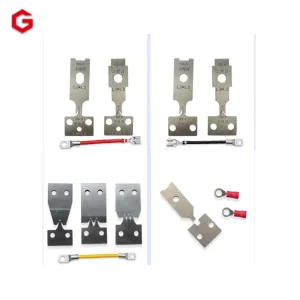
terminal cutting blade
I. Core Vulnerable Components
-
Belts
The transmission system of terminal crimping machines often relies on belts for power transmission. Prolonged operation can cause belts to wear, loosen, or snap due to friction and stretching, which impairs the equipment’s rotational speed and stability. -
Blades
Blades are critical components for terminal crimping and cutting. Frequent contact with terminals and wires leads to blade wear, resulting in uneven cutting edges and reduced crimping precision. Regular replacement is required to ensure processing quality. -
Clamps
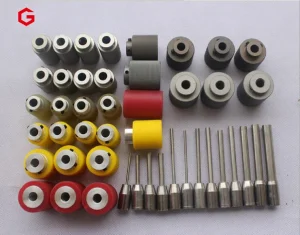
Clamps are used to secure terminals or wires. Long-term clamping operations can wear the clamp jaws and reduce their elasticity, potentially causing unstable clamping or slippage, which affects processing efficiency and accuracy. -
Heating Tubes
Some terminal crimping machines (e.g., hot-melt terminal machines) are equipped with heating tubes, which are used to heat and melt adhesives or weld terminals. Extended high-temperature operation can cause heating tubes to age, lose power, or even burn out. -
Thermocouples
As temperature sensors, thermocouples work in conjunction with heating tubes. Long-term use may lead to sensing failure due to high-temperature oxidation and vibration, compromising temperature control accuracy.
II. Classification of Wear Causes
-
Normal Operational Wear
Even with standardized operation and maintenance, the aforementioned components will gradually wear due to natural factors such as prolonged use, mechanical friction, and material fatigue. This is a normal phenomenon in equipment operation, and service life can be extended through regular maintenance. -
Factors Accelerating Wear (Human Error or Improper Operation)
- Operators’ lack of familiarity with equipment operating procedures, such as overloading the machine or conducting unauthorized operations;
- Neglect of daily maintenance, such as failure to clean and lubricate components in a timely manner, leading to increased friction;
- Low technical proficiency of short-term employees, who may set incorrect parameters when adjusting equipment, thereby exacerbating component wear.
III. Recommended Countermeasures
- Conduct regular inspections of vulnerable components for wear and replace them in accordance with the manufacturer’s guidelines to prevent minor component failures from affecting the overall operation of the equipment;
- Enhance operator training, standardize operational procedures, and avoid running the equipment “with defects” or under overload;
- Establish equipment maintenance records to track component replacement cycles and maintenance status, thereby improving the overall service life and operational efficiency of the terminal crimping machine.
Reputable terminal crimping machine manufacturers typically provide users with a clear list of vulnerable components, enabling users to perform targeted maintenance and reduce unnecessary wear.